Marriage is one of the most important milestones in a person’s life. In India, marriage is not only a social and cultural institution but also a legal contract governed by various laws. Understanding the marriage age in india for girl and boy 2025 is essential for individuals, families, and communities to ensure that marriages are conducted legally and responsibly.
The legal age for marriage has been established to protect the rights, health, education, and overall well-being of young people. Over the years, India has introduced several laws and amendments aimed at preventing child marriage and promoting gender equality. As we move through 2025, many people still have questions about the current legal age requirements, applicable laws, penalties, and possible future changes.
This comprehensive guide explains everything you need to know about the marriage age in india for girl and boy 2025, including legal provisions, eligibility criteria, documentation requirements, and common misconceptions.
What Is the Legal Marriage Age in India in 2025?
The legal marriage age in India continues to be governed by existing laws that prescribe different minimum ages for males and females.
As of 2025:
- Minimum marriage age for girls: 18 years
- Minimum marriage age for boys: 21 years
These age limits apply across most personal laws and marriage registration systems in India. Any marriage involving a girl below 18 years or a boy below 21 years may be considered a child marriage and can attract legal consequences under applicable laws.
The purpose of setting a minimum age is to ensure that individuals are physically, emotionally, mentally, and financially prepared for marriage and its responsibilities. The marriage age in india for girl and boy 2025 remains an important topic because it directly impacts education, health, career opportunities, and social development.
Overview of Marriage Age Laws in India
India has enacted various laws to regulate marriages and prevent child marriages. These laws provide a legal framework for determining the minimum age at which a person can marry.
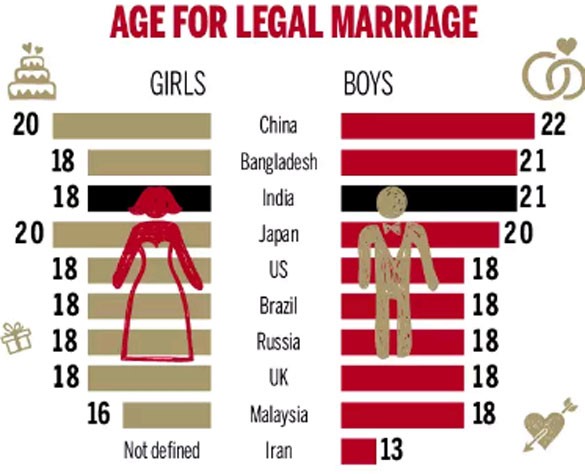
Key Laws Related to Marriage Age
| Law | Minimum Age for Girl | Minimum Age for Boy |
|---|---|---|
| Hindu Marriage Act, 1955 | 18 Years | 21 Years |
| Special Marriage Act, 1954 | 18 Years | 21 Years |
| Prohibition of Child Marriage Act, 2006 | 18 Years | 21 Years |
| Indian Christian Marriage Act | 18 Years | 21 Years |
| Various Personal Laws | Generally 18 Years | Generally 21 Years |
These laws work together to ensure that marriages are conducted legally and that minors are protected from early marriage.
Why Is a Minimum Marriage Age Necessary?
The concept of a minimum marriage age is based on several social, educational, and health-related considerations. Governments around the world establish age limits to protect young people from entering marriages before they are ready.
A legal marriage age helps individuals complete their education, develop career opportunities, and achieve emotional maturity before taking on marital responsibilities. Early marriage often leads to interrupted education, financial dependence, and health complications, especially for young women.
The marriage age in india for girl and boy 2025 reflects the government’s effort to balance cultural traditions with modern social realities. By encouraging marriage at an appropriate age, society benefits from healthier families, better economic outcomes, and improved opportunities for young adults.
History of Marriage Age Laws in India
India’s marriage laws have evolved significantly over time. In earlier periods, child marriages were common in many parts of the country due to social customs and traditions.

The government gradually introduced reforms to address these issues. One of the most significant milestones was the Child Marriage Restraint Act of 1929, often known as the Sarda Act. This law established minimum ages for marriage and aimed to discourage child marriages.
Over the decades, amendments increased the legal age limits. Later, the Prohibition of Child Marriage Act, 2006 strengthened protections and introduced stricter penalties against child marriage practices.
Today, the marriage age in india for girl and boy 2025 represents the result of decades of legal reforms focused on protecting children and promoting social progress.
Proposed Changes to Marriage Age for Women
In recent years, there has been significant discussion about increasing the legal marriage age for women from 18 years to 21 years. The proposal was introduced with the objective of promoting gender equality and improving educational and health outcomes.
Supporters of the proposal argue that equalizing the marriage age for both men and women would:
- Promote gender equality
- Reduce teenage pregnancies
- Improve maternal health
- Encourage higher education
- Increase career opportunities for women
However, despite extensive discussions and debates, the legally enforceable age in 2025 remains 18 years for women and 21 years for men unless new legislation is formally enacted and implemented.
Therefore, when discussing the marriage age in india for girl and boy 2025, the current legal requirement continues to be 18 years for girls and 21 years for boys.
Consequences of Child Marriage
Child marriage remains a serious issue despite legal restrictions. Marriages involving individuals below the legal age can have significant consequences.
Health Risks
Early marriages often result in early pregnancies, which can create serious health complications for young women and their children. Medical experts consistently highlight the importance of delaying pregnancy until physical maturity is reached.
Educational Impact
Child marriage frequently leads to school dropouts. Young individuals may be unable to continue their studies after marriage, limiting future opportunities.
Economic Challenges
Early marriage can reduce employment prospects and financial independence, especially for women.
Emotional and Psychological Effects
Young individuals may not possess the emotional maturity required to handle marital responsibilities, leading to stress and relationship difficulties.
These concerns are among the primary reasons why the marriage age in india for girl and boy 2025 remains a matter of legal and social importance.
Penalties for Child Marriage in India
The law takes child marriage seriously and imposes penalties on those who participate in, promote, or facilitate such marriages.

Under relevant legal provisions:
- Adult males marrying underage girls may face punishment.
- Parents or guardians encouraging child marriage may be penalized.
- Priests, organizers, or others conducting child marriages may also face legal action.
- Courts may intervene to prevent a child marriage before it takes place.
The legal system seeks not only to punish offenders but also to protect minors from exploitation and harmful social practices.
Documents Required for Marriage Registration
Marriage registration is an important legal process that establishes official recognition of a marriage. Authorities generally require documents proving age, identity, and residence.
Commonly Required Documents
- Birth certificate
- Aadhaar card
- Passport
- Voter ID card
- PAN card
- School leaving certificate
- Passport-size photographs
- Address proof
Age verification is particularly important because authorities must ensure compliance with the marriage age in india for girl and boy 2025 before registering a marriage.
Importance of Marriage Registration
Marriage registration offers several legal benefits and protections. It serves as official evidence of the marital relationship and can be useful in various legal and administrative matters.
Registered marriages help with:
- Obtaining visas
- Insurance claims
- Property rights
- Inheritance matters
- Bank nominations
- Government benefits
Registration also helps prevent disputes regarding marital status and provides legal security to both spouses.
Marriage Age and Higher Education
One of the major advantages of maintaining a legal marriage age is that it allows young individuals to focus on education before assuming marital responsibilities.
Higher education significantly influences career prospects, financial independence, and quality of life. Delaying marriage until legal adulthood enables students to complete their studies and develop professional skills.
Many experts believe that improved educational attainment among young women is one of the most effective ways to reduce poverty, improve public health, and strengthen communities. This perspective plays a key role in discussions surrounding the marriage age in india for girl and boy 2025.
Common Myths About Marriage Age in India
Many misconceptions exist regarding marriage laws. Understanding the facts can help families make informed decisions.
Myth 1: Child Marriage Is Automatically Valid Everywhere
Reality: Child marriages can face legal challenges and may lead to penalties under applicable laws.
Myth 2: Registration Is Optional
Reality: Registration is highly recommended and often necessary for legal protection.
Myth 3: Personal Customs Override National Laws
Reality: Legal age requirements generally apply regardless of local customs or traditions.
Myth 4: Only Parents Are Punished
Reality: Organizers, facilitators, and participants may also face legal consequences.
Clarifying these myths helps improve awareness of the marriage age in india for girl and boy 2025 and related legal requirements.
Social Impact of Legal Marriage Age
The establishment of a minimum marriage age contributes significantly to national development. It helps improve public health, educational attainment, and economic productivity.
When young people marry at an appropriate age, they are more likely to:
- Complete higher education
- Build stable careers
- Achieve financial independence
- Make informed family-planning decisions
- Raise healthier children
These outcomes contribute to stronger families and a more prosperous society overall.
The legal framework surrounding the marriage age in india for girl and boy 2025 reflects broader efforts to create opportunities for young adults while safeguarding their rights.
Future Outlook for Marriage Laws in India
Marriage laws continue to evolve in response to changing social conditions and public policy objectives. Discussions about gender equality, women’s empowerment, and educational advancement may influence future legal reforms.
Potential areas of future focus include:
- Equal marriage age for both genders
- Stronger enforcement mechanisms
- Greater awareness campaigns
- Improved registration systems
- Enhanced protection for minors
While future changes remain possible, citizens should always rely on officially enacted laws rather than rumors or speculation.
Conclusion
Understanding the marriage age in india for girl and boy 2025 is essential for anyone planning a marriage or seeking information about legal requirements in India. As of 2025, the minimum legal marriage age remains 18 years for girls and 21 years for boys. These age limits are designed to protect young individuals, promote education, improve health outcomes, and ensure greater social and economic stability.