Marriage is one of the most important milestones in a person’s life. In India, marriage is not only a social and cultural institution but also a legal relationship governed by various laws. Understanding the marriage age in India is essential for individuals, families, and communities because it directly affects legal rights, health, education, and social development.
The minimum legal age for marriage has been established to protect young individuals from early marriages and to ensure they are physically, emotionally, and financially prepared for married life. Over the years, the Indian government has introduced laws and regulations to discourage child marriage and promote education and empowerment among young people.
Many people are often confused about the current legal requirements, proposed changes, and penalties related to underage marriages. This comprehensive guide explains everything you need to know about the marriage age, applicable laws, social significance, and future developments. Whether you are a student, parent, researcher, or someone planning to get married, understanding these legal provisions can help you make informed decisions.
What Is the Legal Marriage Age in India?

The legal marriage age in India is determined by national laws designed to protect the welfare of individuals entering into marriage. At present, the minimum age requirements are:
| Gender | Minimum Legal Marriage Age |
|---|---|
| Male | 21 Years |
| Female | 18 Years |
These age limits apply under most marriage laws recognized in the country. The purpose of fixing a minimum age is to ensure that individuals possess the maturity necessary to understand the responsibilities and commitments associated with marriage.
The legal framework aims to reduce child marriages, improve educational opportunities, and support better health outcomes. Marrying before the prescribed age can lead to legal consequences and may impact the validity of certain marital arrangements.
The marriage age in India reflects the government’s efforts to balance cultural traditions with modern social and legal standards. While social practices may differ across regions and communities, legal compliance remains essential.
History of Marriage Age Laws in India
The concept of regulating marriage age has evolved significantly over time. Historically, child marriages were common in many parts of India due to social customs, economic considerations, and traditional beliefs.
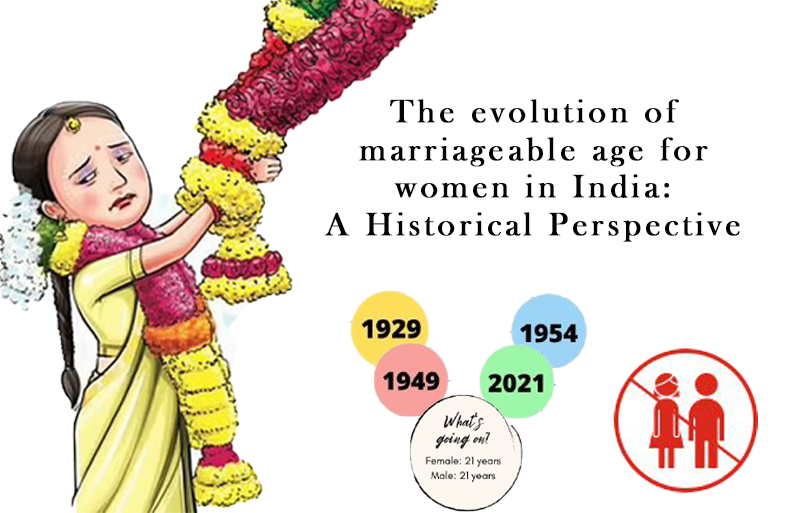
The first major legislative effort came with the Child Marriage Restraint Act of 1929. This law aimed to discourage child marriages by setting minimum age requirements and imposing penalties on those involved in arranging such marriages.
Over the decades, lawmakers revised the age limits several times to align with changing social realities. As education levels improved and awareness about health and human rights increased, the government recognized the need for stronger protections for young individuals.
Eventually, more comprehensive legislation was introduced to address the issue effectively. These reforms reflected growing concerns about maternal health, educational opportunities, and gender equality.
Today, the legal standards governing marriage represent decades of social reform efforts aimed at ensuring that individuals enter marriage voluntarily and with adequate maturity.
Why Is a Minimum Marriage Age Important?
The establishment of a minimum marriage age serves multiple social, legal, and health-related purposes. It is not merely a legal formality but an important measure for protecting individual rights and promoting societal development.
Some major reasons include:
- Prevention of child marriage
- Better educational opportunities
- Improved maternal and child health
- Enhanced financial stability
- Greater emotional maturity
- Reduction in poverty cycles
- Promotion of gender equality
When individuals marry at an appropriate age, they are generally more capable of making informed decisions about family planning, careers, and finances. Young people also gain more time to complete their education and develop professional skills.
Research consistently shows that delayed marriage contributes to better health outcomes and increased economic participation. Therefore, the marriage age in India plays a crucial role in national development and social progress.
Laws Governing Marriage Age in India
Several laws regulate marriage in India depending on religion and the nature of the marriage. However, minimum age requirements remain an important legal consideration across these frameworks.

Hindu Marriage Act, 1955
The Hindu Marriage Act applies to Hindus, Buddhists, Jains, and Sikhs. Under this law, the groom must be at least 21 years old and the bride must be at least 18 years old.
The Act outlines various conditions for a valid marriage, including mental capacity, prohibited relationships, and age requirements.
Special Marriage Act, 1954
The Special Marriage Act allows individuals of different religions or those choosing a civil marriage to marry legally. The age requirements remain 21 years for men and 18 years for women.
This law provides a secular framework for marriage registration and legal recognition.
Muslim Personal Law
Marriage among Muslims is generally governed by personal law principles. However, courts and statutory laws increasingly emphasize the importance of protecting minors and preventing child marriage.
Other Personal Laws
Different communities may have specific legal frameworks, but national child marriage prevention laws apply broadly to protect minors from early marriage.
The Prohibition of Child Marriage Act, 2006
One of the most important laws addressing underage marriage is the Prohibition of Child Marriage Act (PCMA), 2006.
This legislation was enacted to strengthen efforts against child marriage and provide legal remedies for affected individuals. The Act defines a child as:
- A male below 21 years of age
- A female below 18 years of age
The law empowers authorities to prevent child marriages before they occur. It also provides protection to children who have already been subjected to such marriages.
Under the Act, courts can issue injunctions to stop planned child marriages. Certain marriages involving coercion, trafficking, or exploitation may even be declared void under specific circumstances.
The legislation demonstrates India’s commitment to safeguarding children’s rights and promoting social welfare through legal intervention.
Penalties for Child Marriage
The law imposes penalties on individuals who participate in, promote, or facilitate child marriages.
Who Can Be Punished?
The following individuals may face legal consequences:
- Adult males marrying underage girls
- Parents arranging child marriages
- Relatives involved in organizing the ceremony
- Priests or officiants conducting the marriage
- Any person actively facilitating the marriage
Possible Punishments
Penalties may include:
| Offense | Possible Consequence |
|---|---|
| Conducting child marriage | Fine and imprisonment |
| Promoting child marriage | Fine and imprisonment |
| Arranging child marriage | Fine and imprisonment |
| Assisting child marriage | Fine and imprisonment |
These provisions are intended to deter violations and encourage compliance with legal standards.
Proposed Changes to Marriage Age for Women
In recent years, discussions have emerged regarding increasing the minimum marriage age for women from 18 to 21 years.
Supporters of this proposal argue that equalizing the marriage age for men and women would:
- Promote gender equality
- Encourage higher education
- Improve maternal health
- Increase workforce participation
- Reduce early pregnancies
Advocates believe that raising the age limit could provide young women with additional opportunities for personal and professional growth.
At the same time, some experts have debated implementation challenges, cultural considerations, and the need for broader social reforms. As legal discussions continue, individuals should stay informed about any future legislative developments that may affect the marriage age in India.
Social Impact of Marriage Age Regulations
Marriage age laws influence society in numerous ways. Their impact extends beyond legal compliance and affects education, health, employment, and family structures.
When young people delay marriage until adulthood, they often have more opportunities to pursue higher education and develop career skills. This can contribute to greater economic independence and improved living standards.
Communities also benefit from lower rates of child marriage because educated individuals tend to make informed decisions about health, finances, and family planning.
The marriage age in India has therefore become an important tool for promoting social development and reducing vulnerabilities among young people. Legal protections help create environments where individuals can achieve personal growth before assuming marital responsibilities.
Challenges in Implementing Marriage Age Laws
Despite legal protections, several challenges continue to affect implementation.
Lack of Awareness
In some areas, people may not fully understand the legal requirements regarding marriage age. Limited awareness can contribute to unintentional violations.
Social Traditions
Traditional customs sometimes influence marriage decisions, particularly in rural communities where early marriage may still be socially accepted.
Economic Factors
Financial difficulties can encourage families to arrange marriages at a younger age, believing it will reduce economic burdens.
Documentation Issues
Accurate birth records are essential for verifying age. In areas where documentation is lacking, enforcing age requirements can become more difficult.
Addressing these challenges requires collaboration among government agencies, educational institutions, community leaders, and civil society organizations.
Role of Education in Preventing Early Marriage
Education is one of the most effective tools for reducing child marriage and promoting compliance with legal age requirements.
Educated individuals are generally more aware of their legal rights and opportunities. Schools and colleges provide young people with knowledge, skills, and aspirations that encourage delayed marriage and greater independence.
Benefits of education include:
- Increased awareness of legal rights
- Better employment opportunities
- Improved health knowledge
- Greater financial literacy
- Enhanced decision-making abilities
Educational programs also help communities understand the long-term advantages of postponing marriage until adulthood. As educational access expands, the effectiveness of marriage age regulations is likely to improve further.
Marriage Registration and Age Verification
Marriage registration plays a critical role in ensuring compliance with legal requirements. During the registration process, authorities typically verify age through official documents.
Common documents used for age verification include:
- Birth certificate
- School leaving certificate
- Passport
- Aadhaar card
- Government-issued identification documents
Registration helps create a legal record of marriage and provides protection for both spouses. It can also assist authorities in preventing underage marriages by ensuring that age requirements are properly verified.
For this reason, individuals planning to marry should ensure that all necessary documents are available and accurate before initiating the registration process.
Future Outlook for Marriage Laws in India
The legal framework governing marriage continues to evolve in response to changing social, economic, and cultural conditions.
Future reforms may focus on:
- Strengthening enforcement mechanisms
- Increasing awareness campaigns
- Enhancing marriage registration systems
- Promoting gender equality
- Expanding educational opportunities
Policymakers are increasingly emphasizing the connection between marriage age, education, health, and economic development. As India continues to modernize, marriage laws may undergo further refinements to address emerging social needs.
The ongoing debate regarding age equality between men and women illustrates how marriage legislation remains an active area of public policy discussion.
Conclusion
Understanding the marriage age in India is essential for anyone seeking accurate information about marriage laws and legal eligibility. Currently, the minimum age for marriage is 21 years for men and 18 years for women, with laws designed to prevent child marriage and protect young individuals.